How to Invest in Austria Beginners: A Practical Guide
how to invest in Austria beginners — Expert-Backed Solutions for Complete Peace of Mind
So you’ve decided to figure out how to invest in Austria beginners style. Good.
“Most people in this country keep their money in a savings account earning nothing, or they hand it over to a local bank advisor who puts them into some overpriced structured product.”
You’re already ahead just by reading this.
Austria has a specific financial culture. It’s conservative. People like real estate, they like insurance wrappers, and they tend to trust the big local banks like Erste Bank or Raiffeisen. But the landscape has changed. You don’t need a local advisor anymore. You don’t need to pay 2% annual fees. You can open an account on your phone in ten minutes and start building wealth.
This guide is going to walk you through exactly how to invest in Austria beginners level. We’ll cover the tax situation, which brokers Actually work well here, what the ATX index is, and how to avoid the common traps that catch people who are just starting out.
Understanding the Austrian Tax System for Investors – how to invest in Austria beginners
Download our exclusive step-by-step guide on how to invest in Austria beginners.
Before you buy a single share, you need to understand how the Finanzamt treats your gains. This is the part most guides skip, and it’s the part that actually matters.
In Austria, capital gains from stocks and ETFs are taxed at a flat rate of 27.5%. This is called the Abgeltungssteuer. It applies to dividends, interest, and profits you make when you sell. There’s no distinction between short-term and long-term holding periods like in the US. You hold a stock for one day or ten years, the tax is the same.
Dividends are also taxed at 27.5%. If a US stock pays you a dividend, the US government withholds 15% at source. Austria has a tax treaty with the US, so you don’t get double taxed, but you’ll still owe the difference up to 27.5% unless your broker handles the paperwork correctly.
Here’s the good news. Your broker will automatically deduct the 27.5% tax at source if they’re a European broker operating under Austrian regulations. This means you don’t have to declare capital gains in your annual tax return. It’s done for you. This is called the automatische Steuerabzug, and it makes life much simpler.
But there’s a catch. If you use a non-EU broker, you might have to handle the tax declaration yourself. This is why choosing the right broker matters, and we’ll get to that.
Austria also has a tax-free allowance called the Sparerpauschbetrag. It’s 1,000 euros per year for individuals, 2,000 euros for couples filing jointly. If your total investment income stays below this threshold, you pay zero tax. Many beginners don’t realize this exists. If you’re just starting out with small amounts, you might not owe anything at all.
One more thing. Austria does not have a wealth tax on investment accounts. Your portfolio can grow to a million euros and nobody takes a cut just for holding it. Compare that to some other European countries and you’ll realize this is actually a decent place to build wealth.
Choosing a Broker That Actually Works in Austria – how to invest in Austria beginners
This is where most people mess up. They sign up with some random app they saw on Instagram, deposit money, and then realize they can’t actually buy what they want, or the fees are eating their returns alive.
When you’re learning how to invest in Austria beginners need to focus on three things: regulation, fees, and available markets.
The broker needs to be regulated by a European authority. This gives you investor protection up to 20,000 euros under the EU’s deposit guarantee scheme. It also means the broker will handle Austrian tax withholding automatically.
Interactive Brokers is the gold standard for serious investors. It’s based in the US but has a European entity regulated in Ireland. You can buy stocks on the Vienna Stock Exchange, US exchanges, and basically every major market in the world. The fees are low, the platform is powerful, and it handles Austrian taxes correctly. The downside is the interface looks like it was designed in 2005. It’s not beginner friendly, but you’ll grow into it.
Trade Republic is the opposite. It’s a German neobroker with a clean mobile app, and it’s Become hugely popular in Austria. You can buy fractional shares, set up savings plans on ETFs, and the whole experience feels modern. The catch is that the selection is limited compared to Interactive Brokers. You won’t find every stock or every ETF. But for a beginner who just wants to buy a world ETF every month, it works fine.
Scalable Capital is another German option that’s gained traction. They offer a free custody account and competitive pricing. Their Prime Broker model gives you access to a wider range of products than Trade Republic.
Now here’s my opinion. If you’re serious about learning how to invest in Austria beginners should start with Interactive Brokers despite the learning curve. The reason is simple. You won’t outgrow it. Every other broker will eventually feel limiting. Interactive Brokers won’t. You’ll spend a weekend figuring out the platform, and then you’re set for life.
“The best time to open a brokerage account was five years ago. The second best time is this afternoon. Stop waiting for the perfect moment.”
The ATX Index and Austrian Stocks
You can’t talk about how to invest in Austria beginners without mentioning the ATX. This is the benchmark index of the Vienna Stock Exchange, and it tells you a lot about how this country thinks about money.
The ATX tracks the 20 largest and most liquid companies listed in Vienna. The heavyweights are banks and energy companies. Erste Group, Raiffeisen Bank International, OMV, and Voestalpine make up a huge chunk of the index. This means the ATX is not diversified at all. It’s concentrated in a few sectors that are sensitive to interest rates and commodity prices.
Over the past decade, the ATX has underperformed compared to the S&P 500 or the MSCI World index. This isn’t a secret. Austrian stocks are cheap for a reason. The companies are mature, they grow slowly, and they pay decent dividends. But they’re not where the growth is.
Does this mean you should avoid Austrian stocks entirely? No. But you should understand what you’re buying. If you want exposure to the Austrian economy, buying an ATX ETF makes sense as a small part of your portfolio. Maybe 5% or 10%. The rest should be in global markets.
Some people feel patriotic about buying local stocks. I get it. But investing is not a charity. Your money should go where it gets the best risk-adjusted return, not where it makes you feel good about supporting the home team.
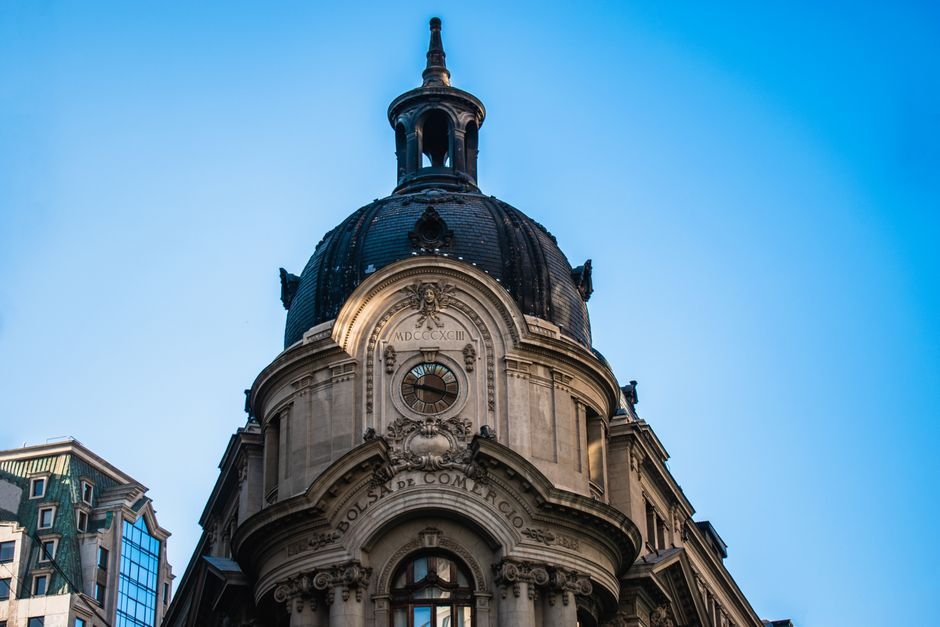
The Vienna Stock Exchange itself is one of the oldest in the world, founded in 1771. It has a certain charm. But charm doesn’t pay your bills.
ETFs: The Smartest Way to Start
If you’re figuring out how to invest in Austria beginners should know that ETFs are your best friend. An exchange traded fund gives you instant diversification. Instead of picking individual stocks and hoping you’re right, you buy a basket of hundreds or thousands of companies in a single trade.
The most popular choice for European investors is the MSCI World ETF. It covers around 1,500 companies across 23 developed countries. You get exposure to Apple, Microsoft, Nestle, and basically every major company outside of emerging markets. It’s the simplest way to own a piece of the global economy.
Another option is the FTSE All-World ETF. This includes both developed and emerging markets, so you get a broader picture. The difference in performance between MSCI World and FTSE All-World over long periods is minimal. Pick one and move on.
For the cost-conscious, there’s a meaningful difference. The iShares Core MSCI World ETF (ticker: EUNL) has a total expense ratio of 0.20%. The Vanguard FTSE All-World ETF (ticker: VWCE) has a TER of 0.22%. These numbers look small, but over 30 years, even a 0.02% difference compounds into real money.
You can set up a savings plan with most brokers to automatically invest a fixed amount every month. This is called cost averaging, and it removes the stress of trying to time the market. You buy more shares when prices are low and fewer when prices are high. Over time, this smooths out your average purchase price.
Real Estate vs. Financial Investments in Austria
Austrians love real estate. It’s cultural. People talk about buying an apartment in Vienna like it’s a rite of passage. And historically, property prices in Austria have gone up. But the math doesn’t always work the way people think.
A typical investment property in Vienna might yield 2% to 3% in rental income before expenses. After maintenance, property management, taxes, and vacancy, you’re lucky to net 1.5%. Meanwhile, a global ETF has returned an average of 7% to 8% annually over the past few decades.
Real estate has one advantage: leverage. You can buy a 300,000 euro apartment with 60,000 euros down and borrow the rest. If the property appreciates 10%, you’ve made 30,000 euros on a 60,000 euro investment. That’s a 50% return. But leverage cuts both ways. If prices drop 10%, you’ve lost half your equity.
The problem is that Austrian real estate prices have risen so much that the yields are compressed. You’re betting on prices continuing to go up, which is speculation, not investing. And you’re tying up a huge amount of capital in a single illiquid asset in a single city.
I’m not saying never buy property. I’m saying don’t assume it’s automatically the better choice. Run the numbers honestly before you commit.
Common Mistakes Beginners Make in Austria
Let me save you some pain by pointing out the mistakes I see over and over again.
The first mistake is buying investment fonds from your local bank. These are actively managed funds with fees of 3% to 5% upfront and 1.5% to 2% annually. They consistently underperform simple index ETFs. Your bank advisor pushes them because the bank makes money, not because they’re good products. Every time someone tells me their bank put them in a “diversified Austrian fund,” I want to scream.
The second mistake is trying to time the market. People wait for a crash that never comes, or they sell during a dip because they panic. The market has ups and downs. That’s normal. If you’re investing for ten years or more, the short-term noise doesn’t matter.
The third mistake is ignoring currency risk. If you buy US stocks or a dollar-denominated ETF, your returns in euros depend on the exchange rate. When the dollar weakens against the euro, your US investments are worth less in local currency terms, even if the stock price went up. Some brokers offer currency hedged ETFs, but they come with higher fees. For most beginners, I’d say don’t worry about it. Over long periods, currency fluctuations tend to even out.
The fourth mistake is not having an emergency fund before investing. If you need to sell your investments in year two because your car broke down, you might be selling at a loss. Keep three to six months of expenses in a regular savings account before you put money into the market.
How to Actually Get Started This Week
Theory is fine, but at some point you need to take action. Here’s what I’d do if I were starting from scratch today.
Open an account with Interactive Brokers or Trade Republic. Interactive Brokers if you want the full platform, Trade Republic if you want simplicity. The verification process takes a few days, so do it now while you’re motivated.
Transfer a small amount of money. Not your life savings. Just enough to get comfortable with the platform. Maybe 500 euros.
Buy a world ETF. VWCE or EUNL, depending on your preference. Set up a monthly savings plan for an amount you won’t miss. Even 100 euros a month adds up over time.
Then leave it alone. Check your portfolio once a quarter, not once a day. The less you tinker, the better your results will be.
Comparing Your Broker Options
Here’s a breakdown of the main brokers available to Austrian residents.
| Feature | Interactive Brokers | Trade Republic | Scalable Capital |
|---|---|---|---|
| Regulation | SEC, BaFin, FCA | BaFin | BaFin |
| Stock Trading Fees | From 1 USD per trade | 1 EUR per trade | 1 EUR per trade |
| ETF Savings Plans | Yes | Yes, 1 EUR per plan | Yes, free on selection |
| Available Markets | 150+ exchanges globally | Limited, mostly EU/US | Moderate selection |
| Tax Handling | Automatic 27.5% withholding | Automatic 27.5% withholding | Automatic 27.5% withholding |
| Minimum Deposit | None | None | None |
| Fractional Shares | Yes (US stocks) | Yes | Yes |
The table makes it clear. If you want access to the Vienna Stock Exchange specifically, Interactive Brokers is your only real option among these three. Trade Republic and Scalable Capital focus on major US and European exchanges.
The Psychology of Investing
Nobody talks about this part, but it’s the part that determines whether you succeed or fail.
When the market drops 20%, you will want to sell. Every instinct in your body will tell you to get out. This is normal. It’s called loss aversion, and it’s hardwired into human psychology. Losses feel about twice as painful as gains feel good.
The investors who do well are the ones who keep buying when prices fall. They don’t enjoy it. Nobody enjoys watching their portfolio shrink. But they understand that a market drop means stocks are on sale. You don’t run out of a store when everything is discounted.
Austria has a particular relationship with risk. The culture is cautious. People would rather have a guaranteed 1% return than a probable 7% return with some volatility. This mindset keeps people poor. Not broke, but poor relative to what they could have had.
If you’re going to figure out how to invest in Austria beginners need to accept that volatility is the price of admission. You don’t get stock market returns without stock market swings. There’s no shortcut.
“The stock market is a device for transferring money from the impatient to the patient. Austrian investors need to hear this more than most.”
What About Crypto and Alternative Investments?
I know someone reading this is wondering about crypto. Bitcoin, Ethereum, and whatever the latest meme coin is. Austria doesn’t have specific crypto regulations beyond the EU’s MiCA framework, which is rolling out now. You can buy crypto through various platforms, and gains are taxed at the same 27.5% rate if you hold for less than a year. Hold for more than a year and crypto gains are tax free in Austria, which is actually favorable compared to some countries.
But here’s the thing. Crypto is not investing. It’s speculation. The price moves on sentiment, hype, and whale manipulation. If you want to put 5% of your portfolio into Bitcoin as a hedge against monetary debasement, fine. But don’t confuse that with building long-term wealth.
The same goes for gold, collectibles, and whatever else people pitch you. A simple ETF portfolio will outperform most alternative investments over a 20-year period. Complexity is not sophistication.
retirement planning Considerations
Austria has a state pension system, and it’s under pressure. People are living longer, birth rates are low, and the ratio of workers to retirees is shrinking. If you’re under 40, you should assume the state pension will cover maybe half of what you need in retirement.
The government offers some incentives for private retirement savings. The Prämienbegünstigte Zukunftsvorsorge is a state-subsidized private pension plan. You contribute money, the government adds a subsidy (around 4.25% of your contribution, up to a certain limit), and the money is invested in funds of your choice. The catch is that your money is locked up until retirement, and the fund selection is limited.
For most people, I think a regular taxable brokerage account is more flexible. You pay the 27.5% tax on gains, but you can access your money anytime. The pension subsidy is nice, but it doesn’t compensate for the lack of liquidity and the limited investment options over a 30-year horizon.
This is one of those areas where the “official” advice and the practical advice diverge. The government wants you locked into their system. Your actual financial interests might be better served by staying flexible.
Building Your First Portfolio
Let’s get concrete. Here’s what a sensible starter portfolio looks like for someone learning how to invest in Austria beginners style.
80% in a global ETF like VWCE or EUNL. This is your core. It gives you exposure to thousands of companies worldwide.
10% in an ATX ETF if you want some Austrian exposure. The iShares ATX UCITS ETF (ticker: ATX) tracks the index and costs 0.60% annually, which is high, but it’s the easiest way to get local market exposure.
10% in bonds or a bond ETF if you’re risk averse. The iShares Core Global Aggregate Bond UCITS ETF (ticker: AGGH) gives you diversified global bond exposure. Bonds reduce portfolio volatility, which helps you sleep at night.
That’s it. Three ETFs. You’re diversified across countries, sectors, and asset classes. You can manage this on your phone.
As you learn more, you might add individual stocks or tilt toward certain sectors. But this three fund portfolio will serve you well for years. Don’t let anyone convince you that you need something more complicated.
Keeping Costs Low
Fees are the silent killer of investment returns. A 2% annual fee doesn’t sound like much, but over 30 years, it can eat up nearly half of your potential wealth.
When you’re comparing ETFs, look at the Total Expense Ratio. This is the annual fee charged by the fund provider. For broad market ETFs, you should pay no more than 0.30%. Many good options are under 0.20%.
Trading fees matter too, but less than you think. If you’re buying once a month through a savings plan, a 1 euro fee on a 200 euro investment is 0.5%. That’s significant. Look for brokers that offer free or low fee savings plans.
Currency conversion fees are the hidden cost that catches people. If you’re buying US listed ETFs, your broker might charge a spread on the euro to dollar conversion. Interactive Brokers charges a tiny fraction of a percent. Some other brokers charge 1.5% or more. Always check this before you sign up.
The Austrian financial industry has historically been expensive. Banks charge custody fees, transaction fees, and advisory fees that add up fast. Moving to a low cost broker is the single most impactful financial decision most people can make.
Staying Consistent Over Time
The hardest part of investing is not picking the right stock or timing the market. It’s showing up month after month, year after year, regardless of what the news says.
There will be crashes. There will be moments when your portfolio is down 30% and the news is screaming about the end of the world. This has happened before. In 2008, in 2020, and it will happen again. Every single time, the market recovered and went on to new highs.
The investors who panic sell lock in their losses. The investors who keep buying accumulate shares at lower prices and benefit when the recovery comes.
Automate everything you can. Set up your savings plan. Set up your dividend reinvestment. Remove the need for willpower. Willpower is a finite resource. Systems are forever.
FAQ
Do I need to speak German to invest in Austria? – how to invest in Austria beginners
No. Most major broker platforms are available in English. The Vienna Stock Exchange operates in English as well. Tax documents might come in German, but translation tools handle that fine. You don’t need to be fluent to manage your investments.
How much money do I need to start investing? – how to invest in Austria beginners
You can start with as little as 1 euro if your broker offers fractional shares. Realistically, 100 to 200 euros per month is a solid starting point. The key is consistency, not the amount.
Is it safe to use a foreign broker?
Yes, as long as the broker is regulated by a European authority. Your investments are protected under EU regulations. The broker holds your assets in a segregated account, so even if the broker goes bankrupt, your money is safe.
Do I need to file a tax return for my investments?
If your broker handles the automatic 27.5% withholding, you generally don’t need to declare capital gains in your Austrian tax return. However, you should still keep records of your transactions. If you have gains below the 1,000 euro Sparerpauschbetrag threshold, you might want to file to get a refund.
Should I invest in individual stocks or ETFs?
For beginners, ETFs are the clear winner. Individual stock picking requires time, knowledge, and emotional discipline that most people don’t have. An ETF gives you instant diversification and removes the risk of picking a single company that goes bankrupt.
What happens to my investments if I leave Austria?
Your brokerage account doesn’t care where you live. You can keep it open and continue investing. However, your tax residency changes, which means the tax treatment of your gains might change. You should consult a tax advisor in your new country of residence.
Sources
- Vienna Stock Exchange Official Site
- Austrian Federal Ministry Finance Tax Guide
- Interactive Brokers Europe
Conclusion
Learning how to invest in Austria beginners style doesn’t require a finance degree or a wealthy family. It requires a brokerage account, a simple ETF, and the discipline to keep going when things get uncomfortable.
Open your account this week. Not next month. This week. Transfer a small amount and buy a world ETF. Set up a monthly savings plan. Then give it time.
The Austrian financial system has its quirks, but it’s workable. The tax rate is reasonable, the broker options are solid, and the regulatory environment is stable. You have everything you need to build real wealth.
The only thing standing between you and a comfortable financial future is the decision to start. Make that decision today.

One Comment