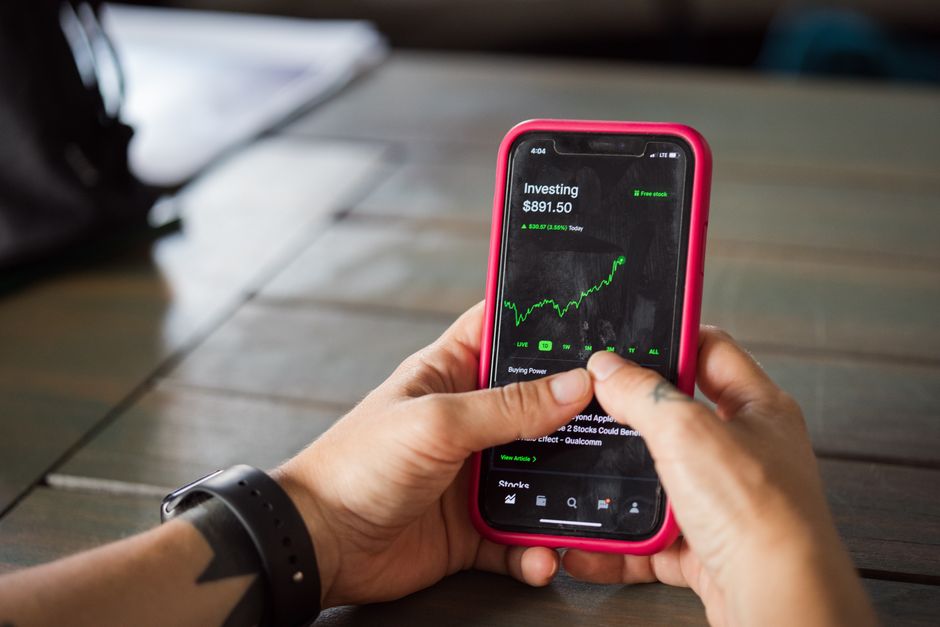
Automatic Investing in Europe: How to Build Wealth on Autopilot
automatic investing Europe — Expert-Backed Solutions for Complete Peace of Mind
When it comes to automatic investing Europe, getting the facts straight can save you time, money, and frustration.
Understanding automatic investing Europe is essential for making informed decisions in today’s market.
If you’ve ever opened a brokerage account, stared at a chart, and thought “I should just set this and forget it,” you’re not alone.
“Automatic investing in Europe has quietly become one of the most effective ways for regular people to grow their wealth without spending hours analyzing markets or stressing over timing.”
It’s not magic. It’s math, discipline, and a bit of tech doing the heavy lifting.
“The idea is simple: you schedule regular transfers into diversified investments, usually low-cost ETFs, and let compounding do its thing over time.”
No picking stocks. No guessing when to buy. Just consistency. And in Europe, where financial infrastructure varies wildly by country, getting this right means understanding local rules, platforms, and tax quirks.
Let’s start with why automatic investing makes sense here. European markets are fragmented. You’ve got 27 EU member states, each with different tax treatments, brokerage options, and investor protections. But beneath that complexity lies a shared truth: most people don’t need fancy strategies. They need a system that runs while they live their lives.
Take Germany, for example. Over 60% of retail investors there now use some form of automated investing, according to a 2023 Bundesbank report. In the Netherlands, platforms like Meesman and Brand New Day have built entire businesses around monthly ETF purchases with zero manual input. Even in Southern Europe, where stock market participation has historically been low, apps like N26 and Revolut are nudging users toward recurring investments.
But here’s what nobody tells you: automatic investing only works if you pick the right vehicle and the right platform. And in Europe, those choices matter more than you think.
Throughout this guide, we’ll explore automatic investing Europe and how it directly impacts your financial future.
Why ETFs Are the Backbone of Automatic Investing in Europe – automatic investing Europe
Download our exclusive step-by-step guide on automatic investing Europe.
You can’t talk about automatic investing in Europe without talking about ETFs. They’re the default building block for a reason. Low fees, broad diversification, and transparency make them ideal for hands-off strategies.
The most popular ETFs among European automatic investors track global indices like the MSCI World or FTSE All-World. These give you exposure to thousands of companies across developed markets. Vanguard’s VWCE (Vanguard FTSE All-World UCITS ETF) is a favorite because it’s accumulating, meaning dividends are reinvested automatically, and it’s available on most major European exchanges.
But not all ETFs are created equal. Some are domiciled in Ireland for tax efficiency, others in Luxembourg or Germany. If you’re in France or Belgium, you might face higher withholding taxes on U.S.-domiciled funds. That’s why Irish-domiciled UCITS ETFs dominate the European market. They’re designed specifically for EU investors.
And here’s a detail that trips people up: currency. Most global ETFs are priced in USD or EUR. If you’re investing in a USD-denominated ETF from a euro account, you’ll pay conversion fees unless your Broker offers cheap forex. Platforms like Interactive Brokers handle this well. Others, like DEGIRO, charge a flat 0.25% per transaction. That adds up over time.
So when setting up your automatic plan, always check the ETF’s domicile, currency, and whether it’s distributing or accumulating. The wrong combo can cost you hundreds in unnecessary taxes or fees over a decade.
Top Platforms for Automatic Investing in Europe (2024) – automatic investing Europe
Choosing where to invest is just as important as what you invest in. Not all brokers support recurring buys, and those that do vary widely in cost, reliability, and user experience.
Scalable Capital stands out in Germany and Austria. They offer free monthly ETF savings plans on a curated list of funds, including iShares and Vanguard. You set the amount, pick the ETF, and they execute the trade every month. No fees. Their interface is clean, and they’re regulated by BaFin, which adds a layer of trust.
In the Netherlands, Meesman Investor lets you automate purchases of index funds with a focus on sustainability. They don’t offer ETFs directly, but their own index funds track similar benchmarks and come with automatic reinvestment. Minimum investment is just €100, and you can schedule monthly contributions.
For pan-European access, Interactive Brokers is hard to beat. They support fractional shares, low forex fees, and automatic investment plans across dozens of ETFs. The platform isn’t the prettiest, but it’s powerful. If you’re serious about building a global portfolio without borders, this is the tool.
Then there’s DEGIRO, popular in Spain, Italy, and the Nordics. They offer a “Recurring Orders” feature, but it’s limited to certain ETFs and comes with a €1.00 fee per execution. Still cheap, but not free. And their customer service? Let’s just say you’ll learn patience.
One platform that doesn’t get enough attention is Trade Republic. Based in Germany, they offer free savings plans on over 1,000 ETFs and stocks. You can start with as little as €10 per month. Their app is slick, and they’ve built a loyal following among younger investors. The catch? They only operate in Germany, Austria, France, and Spain. If you’re elsewhere, you’re out of luck.
Here’s a comparison table to help you decide:
Now, a word of caution: don’t chase the cheapest option blindly. A platform might offer free trades but lack proper regulatory oversight or have a history of outages during market volatility. Always check if they’re registered with your national financial authority. In Germany, that’s BaFin. In France, AMF. In the Netherlands, AFM.
Tax Implications You Can’t Ignore
This is where automatic investing in Europe gets messy. Every country has its own capital gains tax, dividend tax, and reporting rules. And if you’re using a foreign broker, things get even trickier.
In Germany, you’ve got a €1,000 annual tax-free allowance for investment gains (Sparerpauschbetrag). Anything above that is taxed at 25% plus solidarity surcharge and possibly church tax. Dividends are taxed similarly. But here’s the kicker: your broker doesn’t withhold this automatically. You have to report it yourself when filing your tax return. Scalable Capital and Trade Republic provide pre-filled tax reports, which helps.
France has a flat tax of 30% on investment income (the Prélèvement Forfaitaire Unique). It’s simple but not always optimal. If your income is low, you might benefit from opting for the progressive rate instead. But that requires manual intervention, which defeats the purpose of full automation.
The Netherlands takes a different approach. They don’t tax capital gains directly. Instead, they assume a fictional return on your total assets and tax that. It’s called the “box 3” system, and it’s controversial because it taxes phantom gains. If your portfolio drops in value, you still owe tax. Automatic investing doesn’t change that reality.
And then there’s Italy, where foreign brokers must report your holdings to the tax authorities. If you’re using Interactive Brokers or DEGIRO, they’ll send your data to the Agenzia delle Entrate. You still need to declare everything, but at least the info flows automatically.
My advice? Before setting up any automatic plan, spend 30 minutes reading your country’s investment tax rules. Or better yet, talk to a local tax Advisor who understands expat or cross-border investing. A small mistake now could cost you thousands later.
“The best investment strategy isn’t the one with the highest returns. It’s the one you actually stick with.”
How to Set Up Your First Automatic Investment Plan
Let’s walk through a real scenario. Say you’re in Germany, earn €3,000 a month after tax, and want to invest €200 monthly. Here’s how to do it step by step.
First, open an account with Scalable Capital or Trade Republic. Both are free to join and take less than 10 minutes to verify. You’ll need your ID, proof of address, and a bank account for transfers.
Next, link your bank account. Most platforms support SEPA transfers, which are free and settle in one business day. Set up a standing order from your bank to send €200 on the 1st of each month.
Then, choose your ETF. For broad exposure, go with Vanguard’s VWCE or iShares’ Core MSCI World (IWDA). Both are Irish-domiciled, accumulating, and trade in EUR on Xetra or Euronext.
Finally, activate the savings plan. On Scalable Capital, you’ll find it under “Sparplan.” Select the ETF, set the amount, and confirm. The platform will buy as many fractional shares as your €200 allows, minus any rounding. Dividends are reinvested automatically.
That’s it. You’re done. The system runs itself.
But here’s a counterintuitive tip: don’t check your portfolio every day. Seriously. Automatic investing works because it removes emotion. If you log in every week and see red numbers, you’ll be tempted to pause or sell. Set a rule: review once a year, maybe adjust your contribution if your income changes. Otherwise, let it ride.
Common Mistakes That Sabotage Automatic Investors
Even with automation, people mess this up. The most frequent error? Over-diversifying. They buy five different ETFs thinking they’re reducing risk, but end up with overlapping holdings. VWCE already includes U.S., European, and emerging market stocks. Adding a separate S&P 500 ETF just increases complexity without benefit.
Another mistake is chasing past performance. Just because an ETF returned 15% last year doesn’t mean it will again. Stick to broad market funds. Boring wins.
And please, don’t forget inflation. If you’re investing €100 a month but your expenses rise 3% a year, your real contribution shrinks. Try to increase your monthly amount annually, even by a small percentage. Most platforms let you adjust your plan with one click.
Here’s something most guides won’t tell you: automatic investing can make you lazy about learning. You set it and forget it, which is great for discipline, but bad for financial literacy. Spend an hour a quarter reading about asset allocation, rebalancing, or tax changes. Knowledge compounds too.
Is Automatic Investing in Europe Right for You?
It depends. If you’re someone who panics during market dips, or you’ve tried day trading and lost money, automatic investing is probably a better fit. It’s not exciting. It won’t make you rich overnight. But over 10, 20, 30 years, it builds real wealth.
Consider this: if you invest €200 a month starting at age 25, with an average annual return of 7%, you’d have over €525,000 by age 65. That’s without picking a single stock. Just consistency and time.
But if you need flexibility, say you might need the money in three years, automatic investing in ETFs isn’t ideal. Markets can drop 30% in a short period. For short-term goals, stick to high-interest savings accounts or bonds.
Also, be honest about your behavior. If you know you’ll cancel the plan the first time the market drops 10%, maybe start smaller. Build the habit first. You can always scale up later.
“Time in the market beats timing the market. Especially when you’re investing automatically across 3,000 companies in 20 countries.”
FAQ
What is the minimum amount needed to start automatic investing in Europe? – automatic investing Europe
As little as €1 on platforms like Scalable Capital or Interactive Brokers. Trade Republic requires €10. There’s no legal minimum, but starting with at least €50–100 monthly makes fees negligible and compounding meaningful over time.
Are automatic investment plans safe? – automatic investing Europe
Yes, if you use a regulated platform. Brokers like Scalable Capital, Trade Republic, and Interactive Brokers are supervised by national financial authorities (BaFin, AMF, etc.). Your investments are held in segregated accounts, and many countries offer investor protection schemes up to €20,000 or more.
Can I automate investments in multiple ETFs?
Absolutely. Most platforms let you set up separate savings plans for different ETFs. Just be mindful of overlap. Two global ETFs often hold the same top 100 companies. One well-chosen fund is usually enough.
How are dividends handled in automatic plans?
If you choose an accumulating ETF (like VWCE), dividends are reinvested automatically within the fund. No action needed. Distributing ETFs pay out cash, which sits in your brokerage account unless you manually reinvest it. For true automation, accumulating funds are better.
What happens if I move to another European country?
It depends on the platform. Some, like Interactive Brokers, let you update your residency easily. Others, like Trade Republic, restrict access based on nationality or tax residency. Always check the terms before relocating. You may need to close your account or transfer holdings.
Sources
- European Securities and Markets Authority (ESMA)
- Bundesbank Report on Household Investments (2023)
- Vanguard Investment Europe – VWCE ETF Overview
Conclusion
Automatic investing in Europe isn’t glamorous. It won’t give you bragging rights at dinner parties. But it’s one of the most reliable paths to long-term wealth for ordinary people.
Here’s what to do next. Pick a platform available in your country. Open an account. Link your bank. Choose one global accumulating ETF. Set up a monthly transfer. Then close the app and go live your life.
Check back in a year. Adjust if needed. Increase your contribution when you get a raise. But don’t tinker. Don’t second-guess. Let the system work.
Because in the end, the biggest risk isn’t a market crash. It’s never starting at all.


One Comment