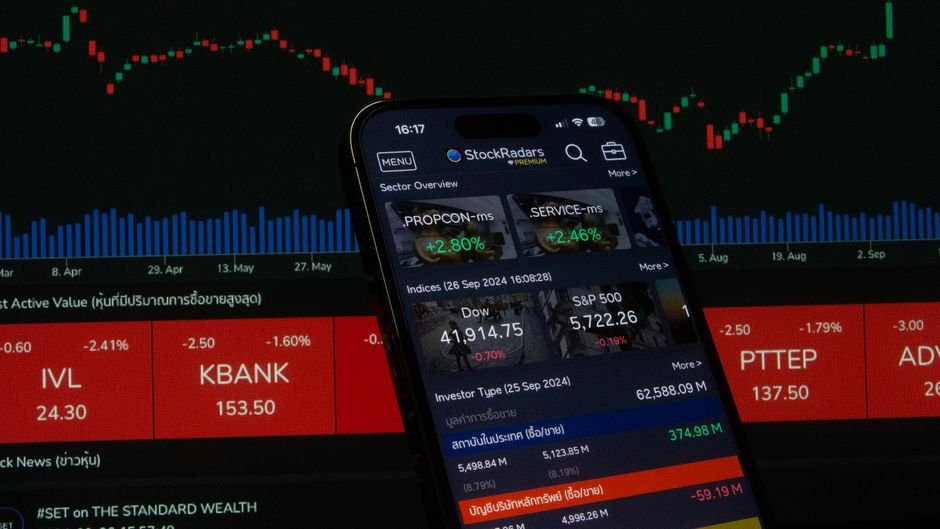
How to Start an ETF Savings Plan in Europe
how to start ETF savings plan Europe — Expert-Backed Solutions for Complete Peace of Mind
Understanding how to start ETF savings plan Europe is essential for making informed decisions in today’s market.
If you’ve been thinking about building wealth slowly and steadily through low-cost index investing, you’re probably wondering how to start an ETF savings plan Europe. The good news? It’s simpler than most people think. The bad news?
“There’s a lot of noise out there that makes it sound either too complicated or too risky.”
Neither is true.
“An ETF savings plan lets you invest small amounts regularly into exchange-traded funds, usually with minimal fees and no need to time the market.”
In Europe, this approach has exploded in popularity over the past decade, thanks to digital brokers, regulatory clarity, and a growing distrust of traditional banks offering underperforming products.
But before you jump in, you need to understand a few things: which brokers actually support automated ETF savings plans, how taxes work across different countries, and what mistakes beginners keep making. This guide cuts through the clutter. No jargon for jargon’s sake. Just practical steps based on how real people invest across Germany, France, the Netherlands, Sweden, and beyond.
Throughout this guide, we’ll explore how to start ETF savings plan Europe and how it directly impacts your financial future.
Why ETF Savings Plans Make Sense in Europe – how to start ETF savings plan Europe
Download our exclusive step-by-step guide on how to start ETF savings plan Europe.
Europe isn’t the U.S. You won’t find Vanguard dominating every corner of the investment landscape. Instead, you’ve got a patchwork of national regulations, tax regimes, and broker ecosystems. That complexity scares some people off. But here’s the thing: that same complexity has pushed European fintechs to build better, cheaper, and more user-friendly tools than many American platforms.
Take Scalable Capital, Trade Republic, or DEGIRO. These aren’t just brokers. They’re built around the idea of automated, recurring investments into ETFs. You set it once, and your money flows into your chosen fund every month, often with zero transaction fees. That’s the core appeal of an ETF savings plan: consistency without effort.
And the numbers back it up. According to the European Fund and Asset Management Association (EFAMA), ETF assets under management in Europe surpassed €1.8 trillion in 2023. A big chunk of that growth came from retail investors using savings plans, not institutional traders.
But let’s be honest. Not every country treats ETFs the same way. Germany taxes capital gains at a flat 25% plus solidarity surcharge. France uses a prélèvement forfaitaire unique (PFU) of 30%. The Netherlands doesn’t tax capital gains directly but assumes a notional return on your total assets. So your location matters, a lot.
Still, the fundamentals are universal: buy broad-market ETFs, keep costs low, reinvest dividends, and stay consistent. That’s how you start an ETF savings plan Europe, regardless of whether you’re in Lisbon or Helsinki.
Choosing the Right Broker for Your ETF Savings Plan – how to start ETF savings plan Europe
This is where most beginners get stuck. There are dozens of brokers claiming to offer “free” ETF savings plans. But free doesn’t always mean cheap, and cheap doesn’t always mean good.
Let’s look at three major players:
– **Trade Republic** (Germany-based, operates in 13+ EU countries): Offers free monthly ETF savings plans on over 1,500 ETFs. Charges €1 per trade for non-savings-plan orders. No account fee. Regulated by BaFin.
– **Scalable Capital** (Germany, Austria, France, Spain, Italy): Free savings plans on select ETFs. Uses a tiered pricing model. Also offers its own branded ETFs (like the Scalable MSCI World ETF).
– **DEGIRO** (Netherlands-based, available across Europe): Low fees, but not all ETFs are eligible for savings plans. You’ll need to check their “Core Selection” list for commission-free options.
Here’s a quick comparison:
Now, here’s my take: if you’re in Germany or Austria, Trade Republic is hard to beat for pure simplicity. But if you want more handholding or access to curated portfolios, Scalable Capital might suit you better. DEGIRO is great for experienced investors who don’t mind a slightly clunkier interface.
One thing I’ll push back on: the idea that you need a “local” broker. Many Europeans still assume they must use a domestic platform. That’s outdated. As long as the broker is regulated in an EU member state and offers services in your country, you’re fine. MiFID II ensures cross-border access.
“Starting an ETF savings plan in Europe isn’t about finding the perfect broker. It’s about picking one that won’t charge you for doing nothing and then actually setting it up.”
Step-by-Step: How to Set Up Your First ETF Savings Plan
Alright, let’s get concrete. Say you’ve picked Trade Republic. Here’s what you do:
1. **Download the app or go to the website.** You’ll need your ID, proof of address, and a bank account in your name.
2. **Verify your identity.** This usually takes minutes. They use video ID or PostIdent (in Germany).
3. **Link your bank account.** SEPA transfer is standard. Some brokers support instant deposits via Klarna or Trustly.
4. **Search for an ETF.** Type “MSCI World” or “FTSE All-World” into the search bar. Look for accumulating (acc) versions if you want Automatic dividend reinvestment.
5. **Set up the savings plan.** Choose the amount (minimum is often €1 or €25), frequency (monthly is standard), and start date.
6. **Confirm and forget.** Seriously. The whole point is automation.
That’s it. No phone calls. No paperwork. No waiting days for approval.
But wait, what if you’re not in Germany? Same process applies in France with Scalable Capital, or in Spain with MyInvestor. The UX might differ slightly, but the logic is identical.
A common mistake? Trying to pick the “best” ETF before opening the account. Don’t. Just start with something simple like the iShares Core MSCI World ETF (IWDA) or the Vanguard FTSE All-World (VWCE). Both are UCITS-compliant, globally diversified, and available on nearly every European broker.
Taxes: The Part Nobody Likes But Everyone Needs
Let’s talk about the elephant in the room. Taxes will eat into your returns if you ignore them. But they don’t have to ruin the party.
In Germany, you get a €1,000 annual tax-free allowance for capital gains (€2,000 for couples). Anything above that is taxed at 25% plus Soli and church tax if applicable. Accumulating ETFs are great here because you don’t pay tax on reinvested dividends until you sell.
France has a flat 30% tax on investment income (the “flat tax”), which includes capital gains and dividends. Simple, but not always optimal. If your income is low, you might benefit from opting out of the PFU and being taxed at your marginal rate instead.
The Netherlands is weird. They don’t tax actual gains. Instead, they assume you earn a fictional return based on your total wealth (box 3 system). This means even if your ETF loses money, you might still owe tax. It’s controversial, and many Dutch investors use structure like investment accounts through insurance wrappers to mitigate this.
Sweden uses a general pension account (ISK) where you pay a low annual tax based on the account’s value, not gains. It’s efficient for long-term ETF investing.
So what should you do? First, know your country’s rules. Second, use accumulating ETFs when possible. Third, hold your investments in a taxable brokerage account unless you have a tax-advantaged wrapper like a German Riester or a French PEA (which has its own limits).
And please, don’t let tax complexity stop you from starting. You can optimize later. The cost of waiting is almost always higher than the cost of paying a bit extra in taxes early on.
Common Mistakes Beginners Make (and How to Avoid Them)
I’ve seen these patterns repeat across forums, Reddit threads, and client conversations. Here are the big ones:
**1. Waiting for the “right time” to start.**
There’s never a perfect moment. Markets go up, down, sideways. Time in the market beats timing the market. Every euro you invest today has decades to compound.
**2. Over-diversifying too early.**
You don’t need 15 ETFs. One global equity ETF covers 85%+ of the investable market. Add a bond ETF later if you’re risk-averse. But starting with three or four similar funds just creates confusion.
**3. Ignoring currency risk.**
Most European ETFs are denominated in USD or EUR. If you’re in Sweden or Poland, your local currency matters. But hedging adds cost and complexity. For long-term investors, unhedged global ETFs are usually fine. Currency fluctuations tend to even out over 10+ years.
**4. Checking your portfolio daily.**
This is psychological suicide. ETF savings plans are designed for patience. Set it, automate it, and review once a year.
**5. Falling for “thematic” ETFs as core holdings.**
Clean energy, AI, blockchain, whatever’s trendy. These can be fun satellite positions, but they shouldn’t be your foundation. Stick with broad market exposure first.
Here’s a counterintuitive thought: most people would be better off investing €100/month into a single global ETF than spending hours researching the “optimal” portfolio. Action beats analysis paralysis.
“The best ETF savings plan is the one you actually start. Not the one you spend six months researching.”
What About Robo-Advisors?
Robo-advisors like Scalable Capital (again), Moneyfarm, or Nutmeg offer pre-built portfolios of ETFs with automatic rebalancing. They’re convenient, but they charge management fees, usually between 0.25% and 0.75% per year.
Is that worth it? For some, yes. If you truly won’t touch your investments or rebalance, a robo-advisor removes behavioral risk. But if you’re reading this guide, you’re probably capable of handling a simple two-ETF portfolio yourself.
My rule of thumb: if you can’t explain why you own each ETF in your portfolio, you’re paying someone to do thinking you should be doing yourself. That’s not always bad, but it’s worth questioning.
Also, robo-advisors often use their own branded ETFs, which may have higher expense ratios than third-party options. Always check the underlying funds.
How Much Should You Invest Each Month?
There’s no magic number. But consistency matters more than amount.
€50/month invested globally at 7% average annual return becomes €28,000 in 20 years. €200/month becomes €112,000. The math works. The hard part is showing up every month.
Start with what you can afford without stress. Even €25 is fine. Increase it when you get a raise or cut expenses. The key is to treat it like a bill, not an afterthought.
And don’t wait until you have a big lump sum. Dollar-cost averaging (or euro-cost averaging, in your case) smooths out volatility. You buy more shares when prices are low, fewer when they’re high. Over time, that discipline pays off.
Final Thoughts: Just Start
You don’t need a finance degree. You don’t need €10,000 to begin. You don’t need to predict the future.
You need a broker that supports free ETF savings plans, a globally diversified accumulating ETF, and the discipline to let time do the heavy lifting.
If you’re in Europe, the infrastructure is there. The tools are cheap. The knowledge is free. The only missing piece is your first step.
So open that account tonight. Pick IWDA or VWCE. Set up a €50 monthly plan. And close the app.
Your future self will thank you.
FAQ
Can I start an ETF savings plan with less than €100? – how to start ETF savings plan Europe
Absolutely. Many brokers like Trade Republic allow savings plans starting at €1 or €25 per month. The minimum depends on the broker, not the ETF.
Are ETF savings plans safe in Europe? – how to start ETF savings plan Europe
ETFs themselves are regulated under UCITS rules, which offer strong investor protection. Your broker should be regulated by a national authority like BaFin or AFM. As with all investing, your capital is at risk, but the structure is sound.
Should I choose distributing or accumulating ETFs?
For long-term savings plans, accumulating ETFs are usually better. They automatically reinvest dividends, which compounds growth and simplifies tax reporting in many countries.
Do I need to report ETF gains myself?
In most European countries, your broker will provide an annual tax statement. In Germany, they even withhold taxes automatically. But you’re still responsible for accuracy, so keep records.
Can I have multiple ETF savings plans?
Yes. You can run several plans at once, even across different brokers. Just make sure you’re not overcomplicating your strategy.
Sources
- European Fund and Asset Management Association (EFAMA)
- Trade Republic Savings Plans
- Scalable Capital ETF Offerings
Conclusion
Starting an ETF savings plan in Europe comes down to three actions:
1. **Pick a broker** that offers free, automated ETF savings plans in your country.
2. **Choose one broad-market accumulating ETF** like IWDA or VWCE.
3. **Set a monthly amount you can stick with** and automate everything.
Don’t overthink it. Don’t wait for permission. The system works if you work it.
Open the account. Fund it. Hit “confirm.” Then go live your life.